The Continuing Threat of Individual FCPA Enforcement Actions in 2026
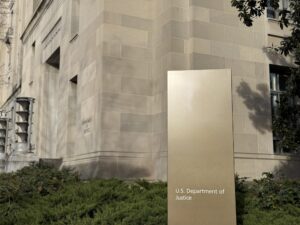
The final quarter of 2025 produced a modest resurgence in Foreign Corrupt Practices Act (FCPA) activity following the administration’s June 2025 FCPA guidelines. Whether that uptick signals a sustained enforcement trend remains uncertain. The Department of Justice (DOJ) and Securities and Exchange Commission (SEC) continue to balance FCPA enforcement against other national priorities, and senior officials have issued at times inconsistent public statements regarding enforcement intensity going forward.
But one theme remains clear: individual FCPA enforcement is alive and well.
While corporate resolutions may benefit from evolving DOJ policy and a renewed emphasis on negotiated dispositions, individuals continue to face indictment, trial, sentencing, forfeiture, and reputational destruction.
Corporate Leniency Does Not Mean Individual Leniency
The revised DOJ Corporate Enforcement Policy (CEP) — and broader shifts in corporate criminal enforcement — suggest agencies may be more willing to offer favorable resolutions to companies that:
- Voluntarily self-disclose
- Fully cooperate
- Timely remediate
- Disgorge ill-gotten gains
In many respects, these principles are consistent with prior administrations. What may differ is the practical willingness to resolve corporate cases efficiently when those requirements are satisfied.
However, favorable corporate treatment does not insulate individuals. In fact, corporate cooperation often accelerates individual exposure. Internal investigations, document productions, and witness interviews frequently provide the evidentiary backbone for prosecutions of executives, brokers, and intermediaries.

The message for corporate officers is straightforward: the company may settle — but you may still be charged.
Recent Individual Cases Underscore the Risk
Recent matters illustrate the continued prosecutorial focus on individuals:
- A Texas-based businessman was convicted at trial on FCPA and related charges tied to a bribery scheme involving Petróleos Mexicanos (Pemex).
- A customs broker pleaded guilty to conspiracy to violate the FCPA.
- Former Goldman Sachs banker Asante Berko is scheduled to face trial in 2026 on FCPA-related charges.
- Participants in a Honduran bribery scheme were sentenced.
- Former oil trader Glenn Oztemel received a 15-month prison sentence tied to Brazilian bribery conduct.
- In the 1MDB matter, Pras Michel was ordered to forfeit nearly $65 million.
These cases demonstrate that even as corporate resolutions fluctuate, individual prosecutions remain a central deterrence tool.
Trial Risk Is Real
An important enforcement trend is the government’s continued willingness to try FCPA cases. While some individual defendants plead guilty, others are choosing to litigate. The DOJ has shown it is prepared to test its cases before juries — and accept the attendant risks.
For individuals, trial exposure significantly raises stakes:
- Criminal conviction risk
- Substantial forfeiture orders
- Prison sentences
- Long-term professional exclusion
- Immigration consequences
The reputational and financial toll often exceeds the formal sentence.
International Coordination Expands Individual Exposure
FCPA enforcement no longer operates in isolation. International cooperation is intensifying:
- The OECD Working Group on Bribery continues to scrutinize U.S. enforcement levels.
- The UK Serious Fraud Office (SFO) has advanced new compliance guidance and brought charges against former corporate executives.
- Brazil’s courts continue to reshape post–Lava Jato enforcement landscapes.
- The EU is advancing a new anti-corruption directive.
- Multiple global law enforcement agencies, including the FBI, have published new foreign bribery risk indicators.
Cross-border coordination increases the likelihood that individuals face parallel investigations, extradition proceedings, and asset forfeiture actions.
Litigation Developments and Privilege Challenges
Recent appellate rulings, including the Sixth Circuit’s decision upholding internal investigation privilege in shareholder litigation, provide important protections for companies conducting compliance reviews.
But internationally, courts — including France’s highest court — have narrowed attorney-client privilege in certain contexts. In India, in-house counsel remain in a more vulnerable position than outside advocates.
For individuals, this evolving privilege landscape matters. Communications once thought protected may become accessible in multinational investigations.
SEC’s Role and the Disgorgement Debate
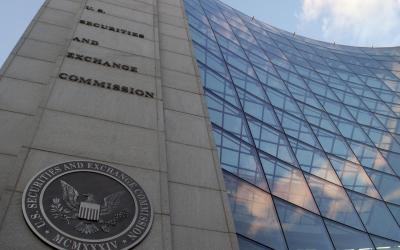
The SEC continues to close some investigations without enforcement actions, while pursuing others. The Supreme Court’s forthcoming review of disgorgement authority may further shape the financial consequences of enforcement actions.
For individuals, disgorgement, civil penalties, officer-and-director bars, and industry suspensions remain potent civil enforcement tools, often running parallel to criminal exposure.
The Bottom Line: Individual Accountability Remains a Priority
Even if aggregate FCPA enforcement statistics fluctuate in 2026, the risk calculus for individuals remains severe.