European Union Gives Final Approval to Landmark Anti-Corruption Directive
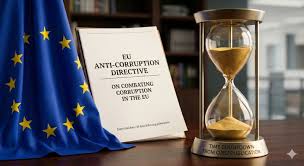
The European Union has taken a historic step in the global fight against corruption. The Council of the European Union formally adopted the EU’s first comprehensive Anti-Corruption Directive, creating a harmonized framework for corruption offenses, corporate liability, sanctions, enforcement cooperation, and prevention measures across all EU Member States.
For multinational companies, compliance officers, boards of directors, and legal professionals, the Directive represents a major expansion of anti-corruption risk and enforcement exposure within Europe. Much like the impact of the U.S. Foreign Corrupt Practices Act (“FCPA”) and the UK Bribery Act, the new EU framework is expected to reshape anti-corruption compliance expectations throughout the European market.
Why the Directive Matters
Historically, EU Member States maintained fragmented anti-corruption laws and enforcement regimes. Differences in criminal definitions, penalties, and enforcement capabilities often created inconsistencies and enforcement gaps.
The new Directive seeks to eliminate those gaps by establishing common minimum standards across the EU. The Directive harmonizes definitions of corruption offenses in both the public and private sectors, strengthens investigative and prosecutorial requirements, mandates preventive measures, and imposes significant penalties for companies and individuals.
Importantly, the Directive reflects a broader global trend toward stronger corporate accountability, enhanced compliance expectations, and coordinated cross-border anti-corruption enforcement.
Key Provisions of the Directive
Harmonized Corruption Offenses
The Directive standardizes the criminalization of a broad range of misconduct across EU Member States, including:
- Public sector bribery;
- Private sector bribery;
- Misappropriation;
- Trading in influence;
- Abuse of functions;
- Obstruction of justice; and
- Concealment of corruption proceeds.
The inclusion of “trading in influence” offenses creates heightened risks involving lobbyists, consultants, intermediaries, and politically connected third parties.

Expanded Corporate Liability
Companies may face liability when corruption offenses are committed:
- For the company’s benefit;
- By senior leadership; or
- Due to inadequate supervision or controls.
This framework closely mirrors concepts already familiar under the FCPA and UK Bribery Act and reinforces the importance of effective compliance programs and internal controls.
Significant Financial Penalties
For serious corruption offenses, Member States must authorize penalties of up to:
- 5% of worldwide annual turnover; or
- €40 million in fines.
Additional sanctions may include:
- Exclusion from public procurement;
- Withdrawal of licenses;
- Judicial supervision; and
- Confiscation of proceeds.
Prevention and Compliance Measures
The Directive requires Member States to:
- Develop anti-corruption strategies;
- Strengthen whistleblower protections;
- Establish specialized anti-corruption authorities;
- Conduct corruption risk assessments; and
- Improve cross-border investigative cooperation.
Practical Compliance Implications
Multinational companies should begin preparing immediately by:
- Conducting updated anti-corruption risk assessments;
- Strengthening third-party due diligence;
- Enhancing internal investigations procedures;
- Improving whistleblower and speak-up systems;
- Reviewing board oversight structures; and
- Reassessing monitoring and auditing systems.
Organizations should also prepare for increased parallel enforcement actions involving multiple jurisdictions.
Conclusion
The EU Anti-Corruption Directive represents one of the most important anti-corruption developments in years. Much like GDPR transformed privacy compliance expectations, this Directive may become a defining regulatory framework for anti-corruption enforcement within Europe.
Companies that proactively strengthen compliance infrastructure now will be significantly better positioned to manage future enforcement risks and regulatory expectations.