Organizational Justice and DOJ Expectations — Building a Speak-Up Culture That Works (Part I of II)
In today’s enforcement environment, the message from the U.S. Department of Justice is clear: culture, internal reporting, and investigative integrity are central to evaluating corporate compliance programs.
Under the DOJ’s Evaluation of Corporate Compliance Programs (ECCP), prosecutors are directed to assess whether a company has established a system that encourages employees to report misconduct—and whether the company responds in a fair, consistent, and effective manner.
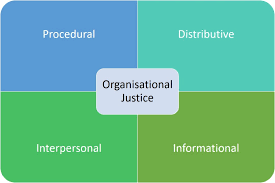
At the center of this analysis lies organizational justice.
Organizational Justice: A DOJ Priority in Practice
Organizational justice reflects whether employees believe:
- Their concerns will be taken seriously
- Investigations will be impartial
- Outcomes will be fair and consistent
The DOJ explicitly examines whether:
- Employees are aware of and trust reporting mechanisms
- The company has well-functioning, confidential reporting channels
- Reports are investigated appropriately and remediated
Companies that fail in these areas face a double risk: misconduct goes undetected internally and ultimately surfaces through external whistleblowers or regulators.
Speak-Up Culture and Reporting Data
Benchmark data from NAVEX Global reinforces DOJ expectations:
- High-performing organizations receive significantly higher internal report volumes, reflecting trust in the system
- Organizations with strong reporting cultures detect issues earlier and reduce regulatory exposure
- Anonymous reporting remains a critical channel, particularly in sensitive matters
The DOJ has increasingly emphasized that a lack of internal reporting can be a red flag, suggesting either cultural breakdown or fear of retaliation.
Senior Leadership Commitment: The DOJ’s “Tone at the Top” Test
The DOJ evaluates whether senior leadership demonstrates a genuine commitment to compliance—not just in words, but through actions.
This includes:

- Responding consistently to employee concerns
- Supporting independent investigations—even when findings implicate senior personnel
- Reinforcing non-retaliation policies
A leadership team that selectively enforces rules or shields high performers undermines both organizational justice and DOJ credibility assessments.
The Core Requirement: A Reliable Internal Investigation Program
The DOJ’s ECCP specifically asks:
- Does the company have a well-resourced and empowered investigation function?
- Are investigations conducted by qualified personnel?
- Are findings used to drive remediation and discipline?
A reliable internal investigation program must include:
- Structured intake and triage
- Defined investigation protocols
- Documentation and case tracking
- Escalation procedures for high-risk matters
Research associated with George Washington University confirms that organizations with structured investigation systems resolve issues more effectively and demonstrate stronger compliance outcomes.
Transparency Through Published Procedures
The DOJ also examines whether employees understand how the reporting and investigation process works.
Companies should publish clear internal procedures covering:
- Reporting channels
- Investigation steps
- Confidentiality protections
- Anti-retaliation safeguards
Transparency reinforces trust—and trust drives reporting.
Consistency and Fairness: The DOJ’s Credibility Lens
Ultimately, DOJ prosecutors assess whether companies apply their policies consistently.
Key questions include:

- Are similar cases treated similarly?
- Is discipline applied evenly across organizational levels?
- Are investigations free from bias or undue influence?
Inconsistent treatment—especially involving senior employees—can significantly undermine a company’s credibility with regulators.
Looking Ahead
Organizational justice is not theoretical—it is operational and measurable.
In Part II, we examine how companies can operationalize DOJ expectations through:
- Timely investigations
- Independent oversight
- Consistent disciplinary frameworks
- Monitoring and auditing